Journal — Article
Keeping a Double Bay Home's Locks in Good Working Order
A practical guide to residential lock care in Double Bay: the warning signs of a tired cylinder, a simple maintenance routine, and when to rekey or replace.
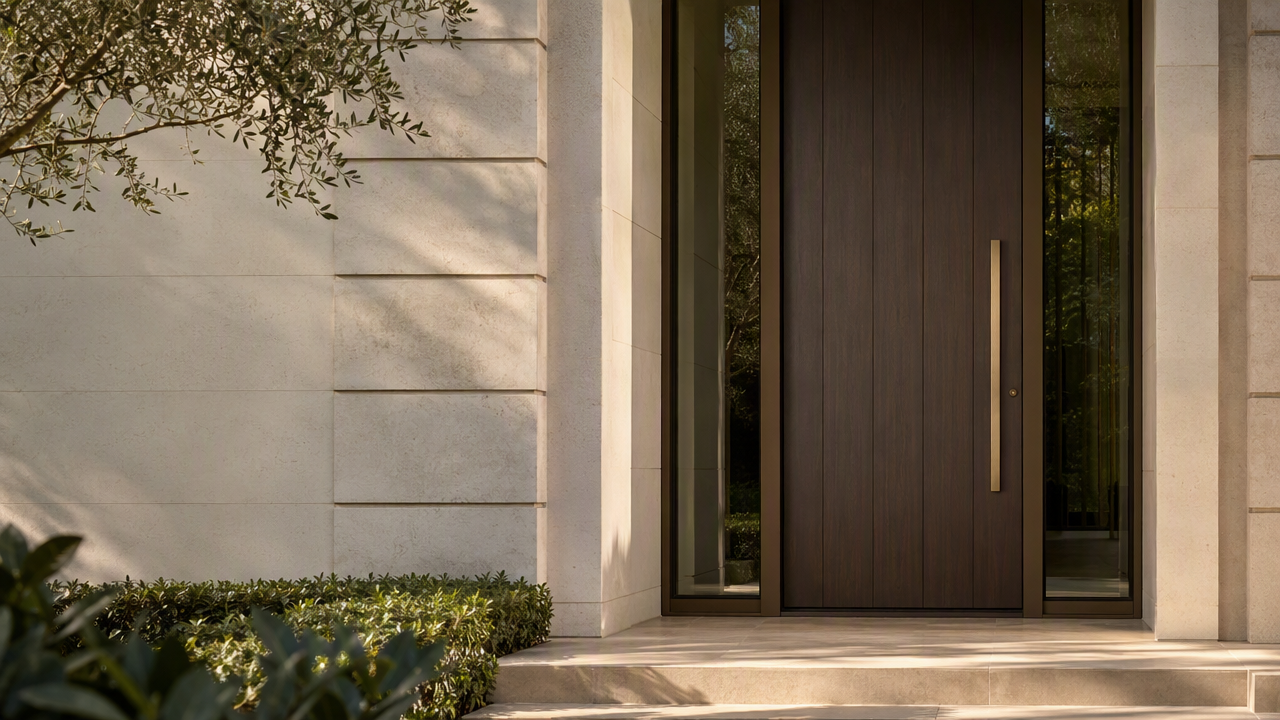
A front door in Double Bay works harder than it looks. Salt air drifts up from the harbour, summer heat swells timber doors, and the daily traffic of family comings and goings puts thousands of cycles on a cylinder that rarely gets a second thought. Most lock problems we attend are not dramatic failures — they are slow ones that gave warnings for months.
Why coastal homes are harder on locks
Fine salt particles settle into a cylinder's pin chambers and, combined with normal wear, slowly change how smoothly a key turns. Timber doors and frames also move with the seasons: a door that was perfectly aligned in April can be pressing against the latch by February. None of this is unusual — but it means a lock in a coastal suburb deserves a little more attention than the same lock installed inland.
If a key has started feeling gritty or the latch is slow to retract, it is worth having the hardware looked at before the problem becomes a residential locksmith callout on a Sunday evening.
Warning signs worth acting on
- The key needs a jiggle. If a key only works at a particular angle, the cylinder pins are wearing unevenly.
- A grinding or gritty feel when turning. Contamination inside the cylinder usually gets worse, not better.
- The latch is slow to retract. This can be the lock itself, or a door that has dropped and is now misaligned with the strike plate.
- The key feels harder in cold or damp weather. Seasonal stiffness that keeps increasing is a wear pattern, not weather.
These symptoms develop gradually, which is exactly why they get ignored. A cylinder that fails completely usually picks the least convenient moment to do it.
A maintenance routine that actually helps
- Twice a year, apply a small amount of a dry, non-gumming lock lubricant into the keyway, then work the key gently a dozen times to distribute it. Avoid thick oils, which attract dust and eventually make the problem worse.
- Check the screws in the strike plate and hinges. A loose strike plate shifts the alignment and makes every key stroke feel wrong.
- After a storm or a stretch of humid weather, test each external door. A door that suddenly needs a shoulder-lean to latch is telling you the frame has moved.
- Never force a key. If it will not turn, forcing it usually ends with a snapped key and a cylinder that needs immediate attention.
Five minutes twice a year is a good trade for avoiding a failed cylinder at the worst possible time.
Rekey or replace?
Rekeying changes which keys operate the existing hardware. It is the sensible choice after moving into a home, when keys have been lost, or after contractors, housemates or tenants have returned their keys — or when you cannot be fully certain they did. Rekeying is quicker and cheaper than replacing hardware that is still in good condition, and you can read more about how we approach it on our rekeying service page.
Replacement is the better answer when a cylinder is genuinely worn, when the existing hardware is below the security level you want, or when you are upgrading the door itself. Our lock replacement service covers the assessment, hardware selection and fitting, and we match the finish to the door rather than forcing a one-size compromise.
Small upgrades, done properly
You do not need a full security overhaul to meaningfully improve a home's front line. A quality deadbolt on the final exit door, a properly anchored strike plate, and a well-chosen cylinder for a security screen door each close a common weakness. Our security upgrades page outlines the options we install most often for Double Bay homes.
When to call us
Local Double Bay Locksmith Service is based at 2A Cross St and works across Double Bay and the surrounding suburbs, from 8:00am to 10:00pm, seven days. If a lock is showing any of the warning signs above — or has already stopped cooperating — call us on 02 5700 2319 or send an enquiry through our contact page. Common questions about how we work are answered on our FAQs page, and you can read more about the area we serve on our Double Bay location page.