Journal — Article
Shopfront and Office Lock Security: A Guide for Double Bay Businesses
How Double Bay shops, cafes and offices can approach cylinders, key control, staff exits and after-hours security without overcomplicating the fit-out.
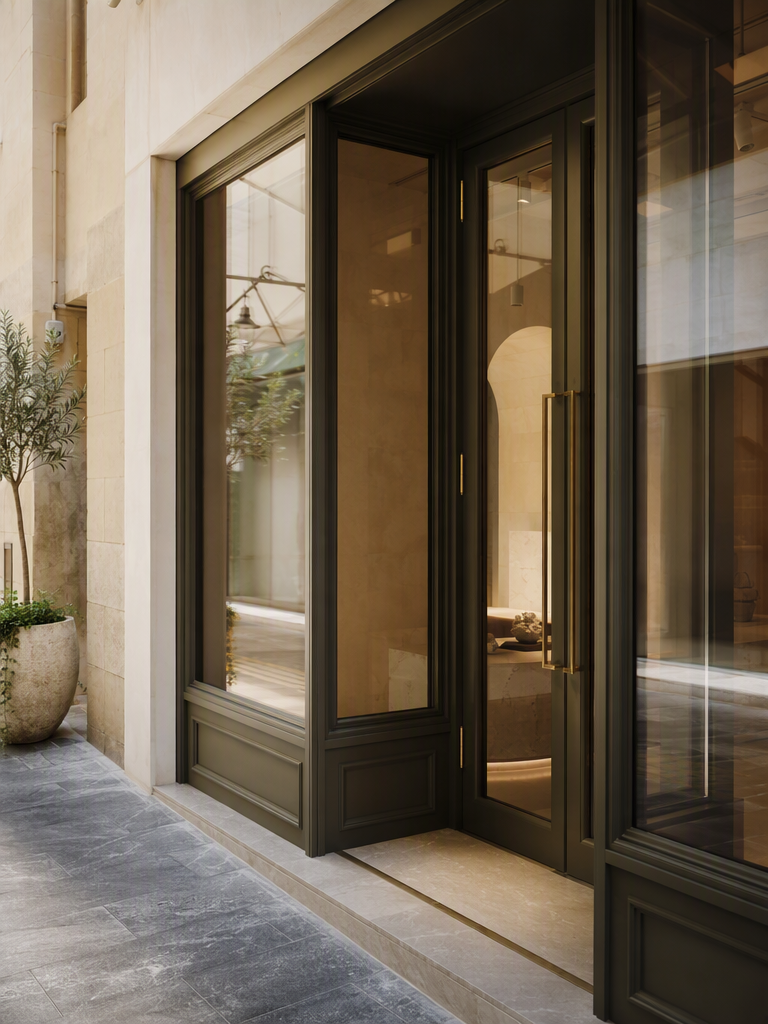
A shop that cannot open at trading time loses the day. An office that cannot be locked properly at night risks far more than the day. Commercial lock problems in Double Bay tend to come from the same handful of places — worn cylinders, unmanaged keys, and the quiet back door nobody thinks about — and most of them are preventable with planning rather than expense.
Start with the doors people actually use
The front door gets attention; the back and side doors usually get whatever hardware was there when the lease started. In our experience the secondary entrances are where commercial premises are weakest: older cylinders, strike plates screwed into soft timber, and doors that no longer close squarely.
A commercial locksmith assessment should always walk the full perimeter, not just the shopfront. The condition of the front cylinder matters, but an unlatched rear corridor door undoes everything else.
Key control beats fancy hardware
The most common commercial security failure is not a defeated lock — it is a key that should not exist anymore. Ex-staff, old contractors, keys cut "just in case": each one quietly narrows the gap between your key register and reality.
- Keep a written key register. Who holds which key, when it was issued, and what lock it opens.
- Rekey after every staff change with key access. Rekeying keeps the hardware and retires the old keys — it is the fastest way to reset control. See our rekeying service.
- Use key systems that limit unauthorised duplication where control matters, so keys cannot simply be copied down the street.
- For multi-tenancy buildings, consider a master key system — one key per tenant, a management key for common areas — designed properly so no tenant key opens another tenancy.
After-hours protection
Physical security and monitoring work as layers, not substitutes. For shopfronts and offices we typically look at:
- A quality deadlock or deadlatch on the main entrance, matched to the door material.
- Locked, aligned and anchored rear and side doors — including the door frame hardware, which is often the actual weak point.
- Secure treatment of roller shutters and display-window access where relevant.
- Alarms and cameras as a complement, never as a replacement for a properly locked door.
If your fit-out is due for an upgrade, our lock installation service and security upgrades page describe how we approach new hardware end to end, including matching hardware to heritage and premium shopfronts — a real consideration in Double Bay's retail streets.
Plan for the bad morning
Break-ins and attempted break-ins usually target locks outside trading hours, which means the damage is discovered at opening time. A prepared plan is simple: call us before you start moving stock, and we will attend, assess the door and cylinder, carry out repairs or replacement on the spot where the hardware allows, and make sure the premises is secure before we leave. You can read how we handle urgent situations on our emergency locksmith page.
Talk to a local commercial locksmith
Local Double Bay Locksmith Service works with shops, cafes, medical suites and offices across Double Bay and the Eastern Suburbs, 8:00am to 10:00pm, seven days. For an assessment, a rekey after a staff change, or help planning a fit-out's lock schedule, call 02 5700 2319 or send us the details through our contact page.